What's Included
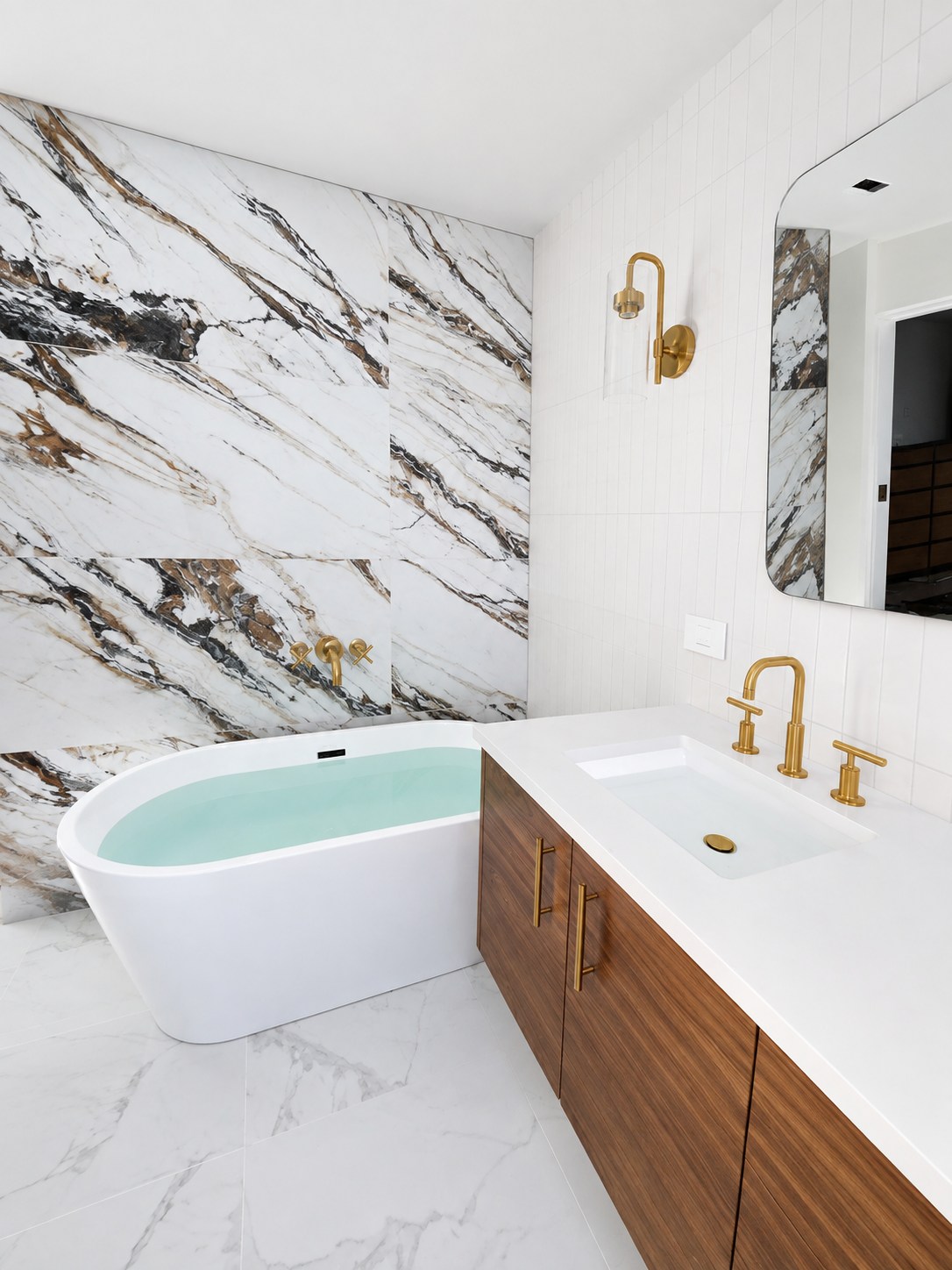
- Full gut renovations, from demo to finished bathroom
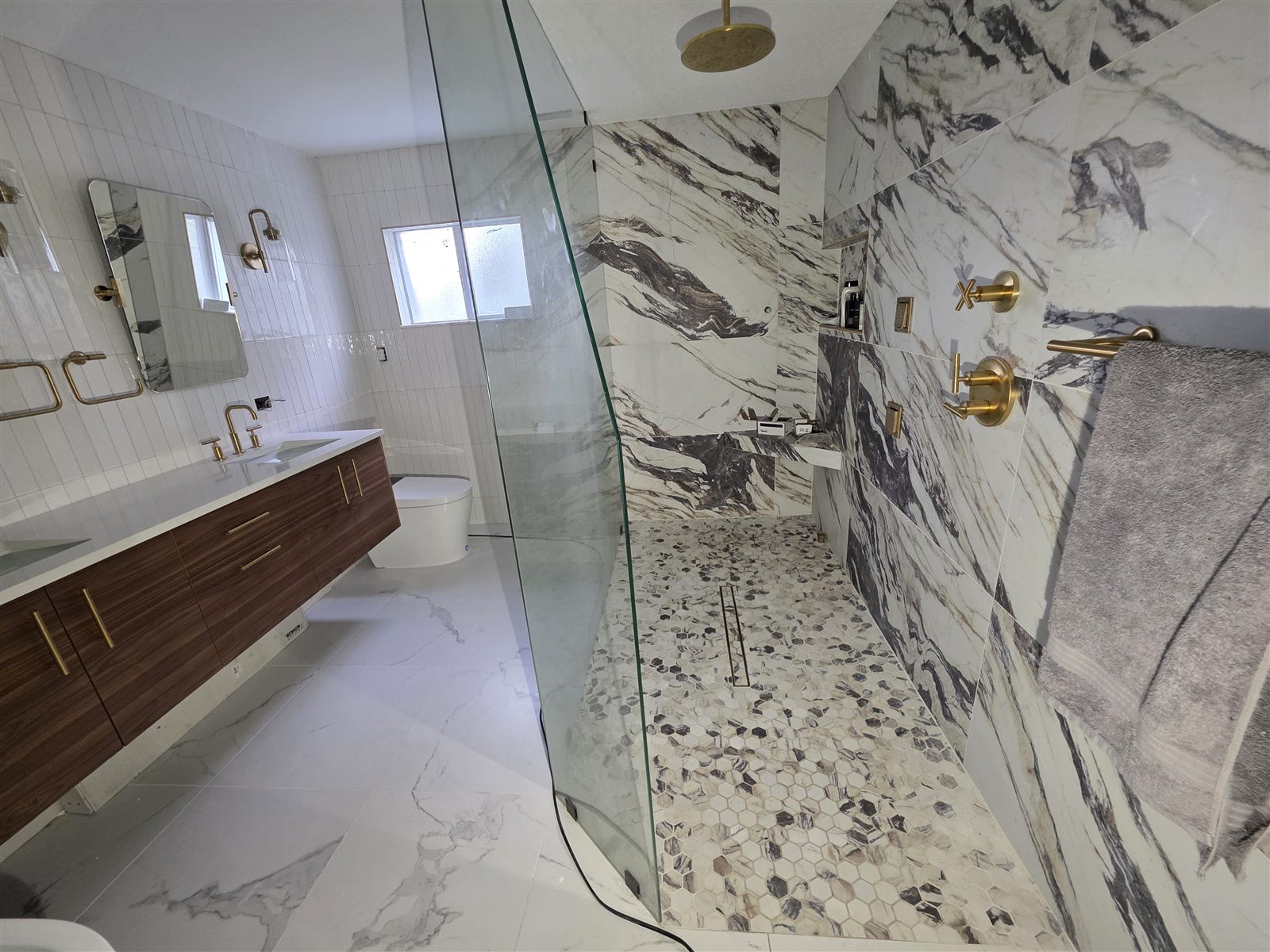
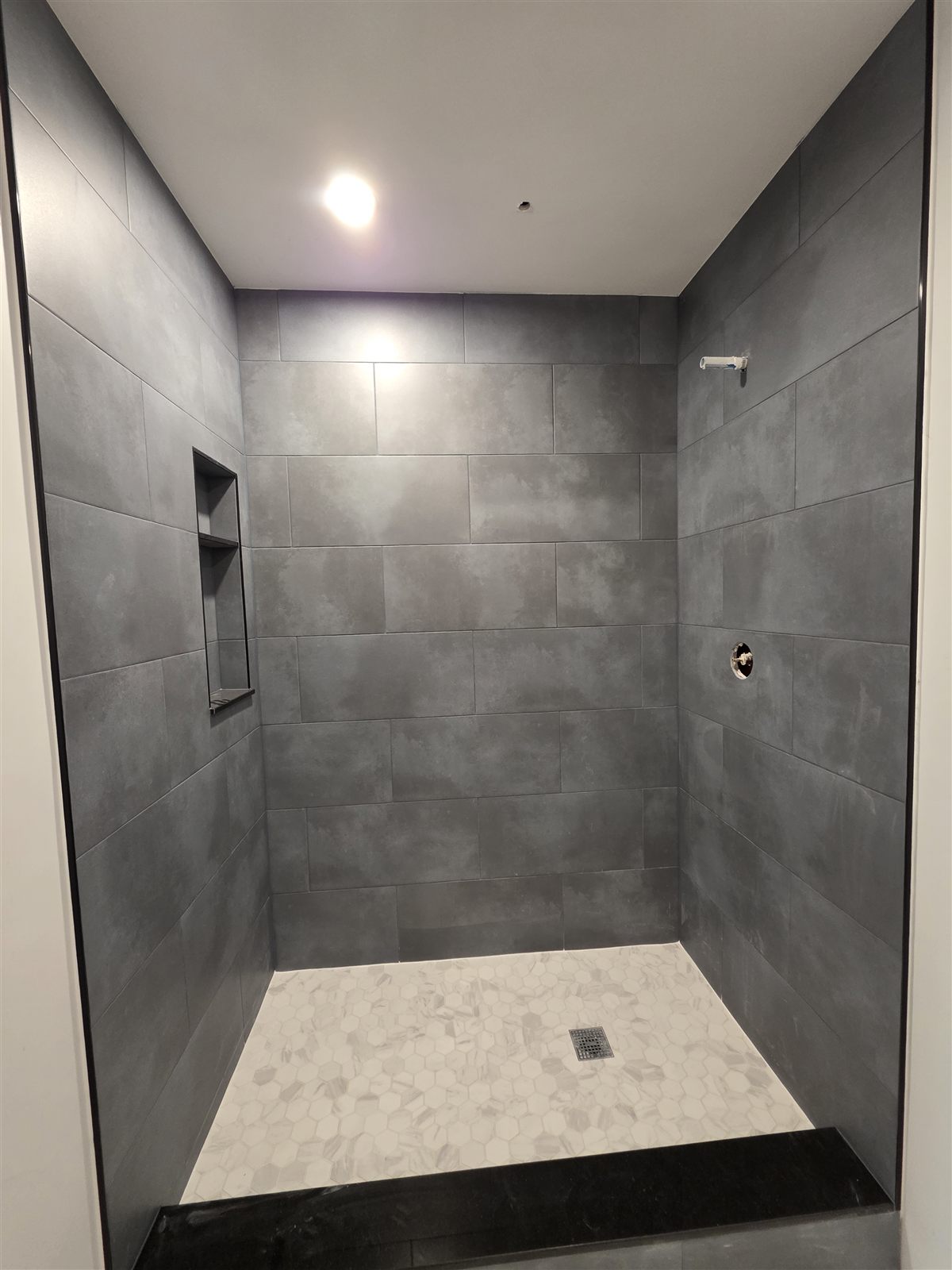
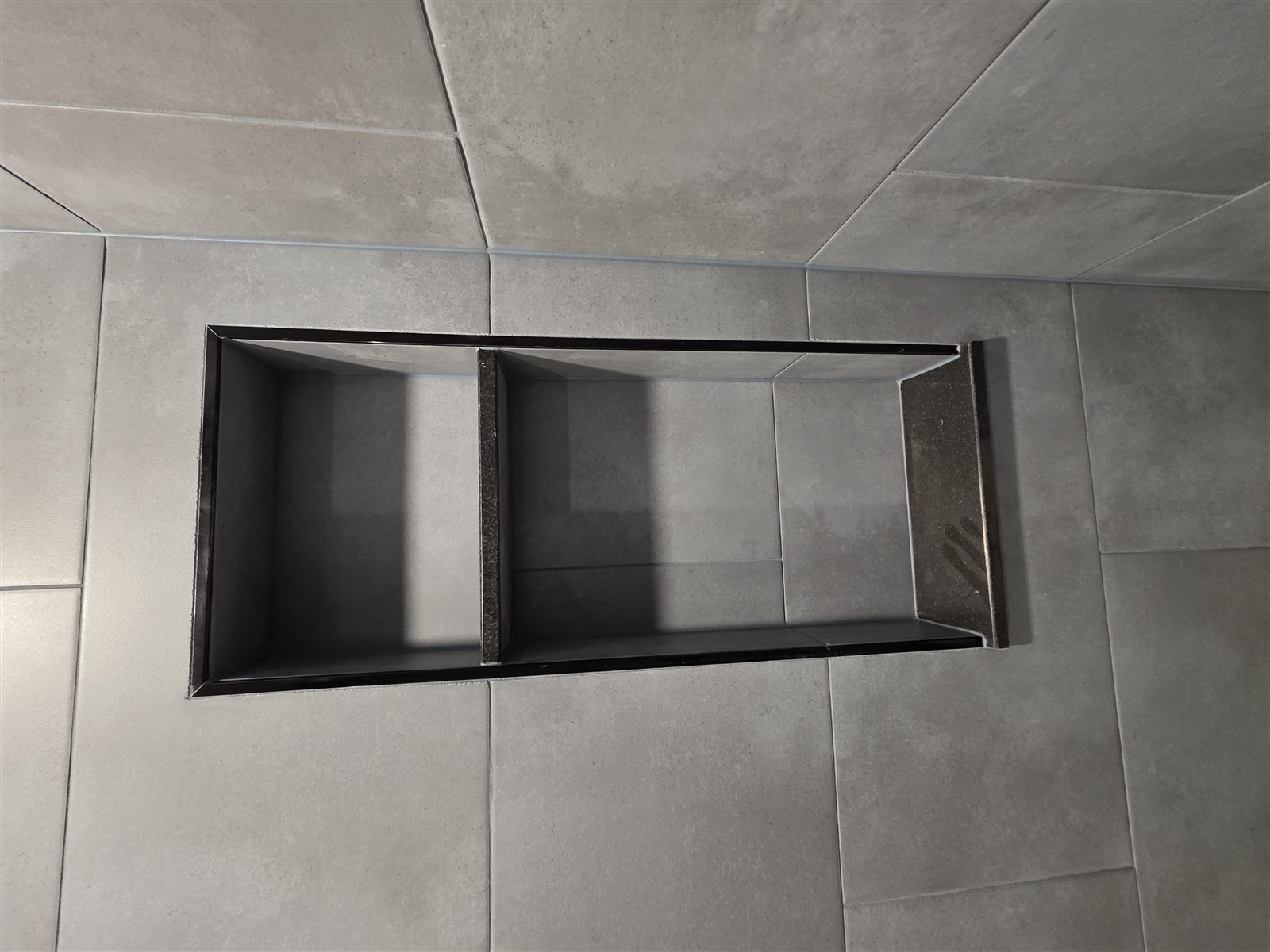
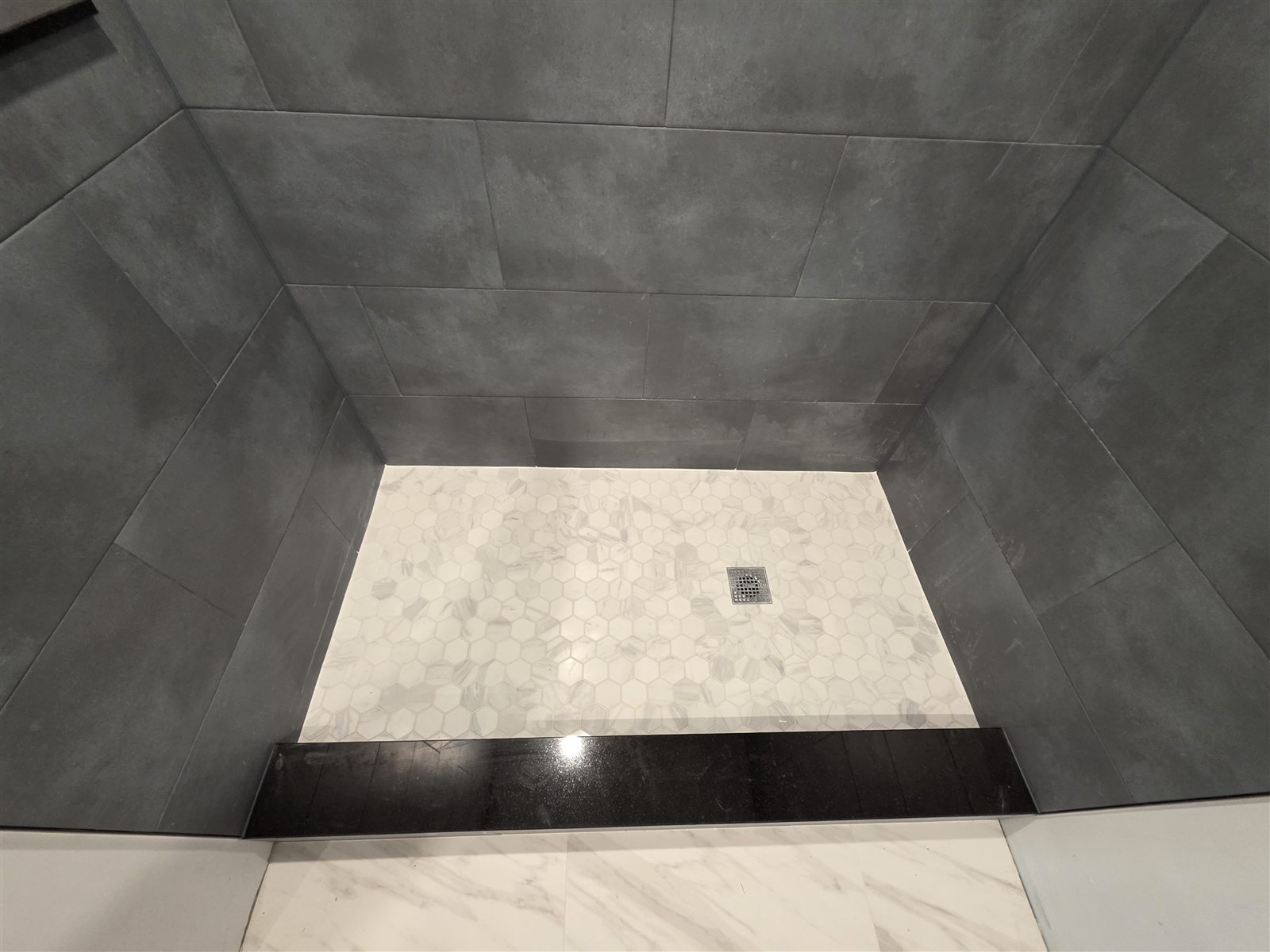
- Tile work: floors, shower surrounds, tub surrounds, backsplashes, custom niches
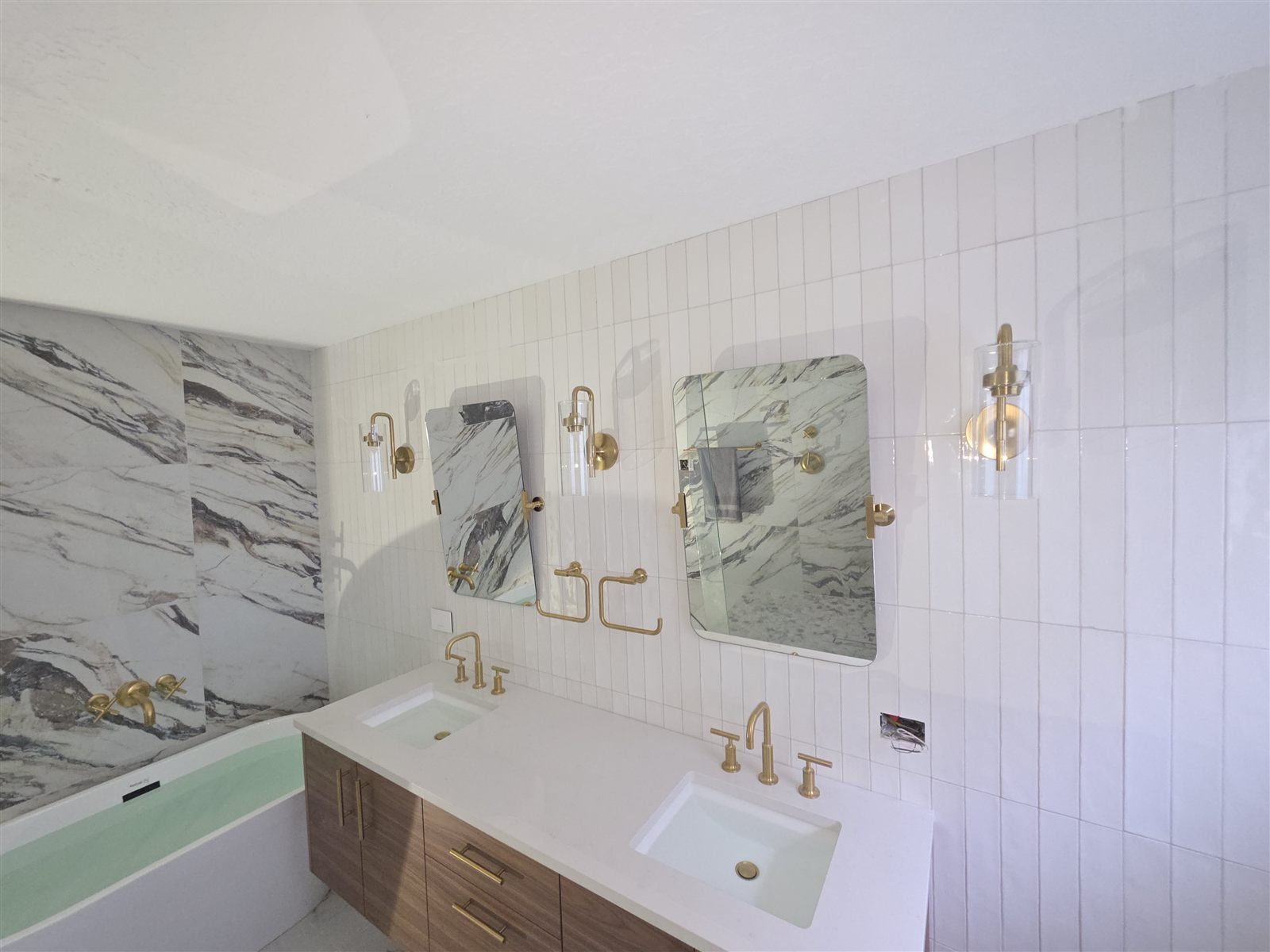
- Vanity, sink, and fixture installation
- Shower and tub replacement, including glass enclosures
- Lighting and ventilation upgrades
- Waterproofing and moisture management behind every wet-area tile install
- Bathroom remodeling for commercial properties
Why Bathroom Remodels Fail Later, Not Right Away
A bathroom remodel that looks finished on day one can start showing real problems within a year: grout that cracks, a shower pan that wasn't sloped correctly, a vanity that wasn't sealed against the wall. Almost none of that surfaces during the final walkthrough, since it takes a few months of real use before a small mistake behind the tile turns into water sitting somewhere water shouldn't be, which is exactly why the waterproofing and prep work matter far more than the tile itself.
That gap between the walkthrough and year two is where most of Florida's bathroom remodeling complaints live, and the cause is usually one of three decisions made well upstream of the finished room. A crew booked too tightly tiles over a membrane that hasn't fully cured. Cheaper board goes in behind the shower because it costs less per sheet and no inspector is ever going to pull the tile off to check it. Or the shower pan, the one part of a bathroom that genuinely has to be right, gets handed to whoever was free that morning instead of the installer who has built a hundred of them. Every one of those protects a schedule or a profit margin on the contractor's side, and every one of them lands on your side of the deal about a year later.
We build every wet area the same way regardless of budget, whether it's a single shower replacement or a full gut renovation: real waterproofing membrane, a correctly sloped substrate, and grout and sealant applied the way the product specifies rather than the way that gets us off the job fastest. The crew doing that work is our own, and one of the owner-operators here is either working alongside them or walking the job while it happens, which is the only reliable way to know a step wasn't quietly dropped on a Tuesday afternoon.
The Seven Steps Behind Every Bathroom We Build
Every bathroom remodel we take on runs through the same sequence in the same order. Bathrooms across Tampa Bay, FL fail because pieces of that sequence get compressed under schedule pressure, not because the sequence is any kind of trade secret.
- Demo, then a real look at what's behind the wall. Older bathrooms hide rot, prior leaks, and framing that was never right, and we would rather find it now while it's still cheap to fix.
- Plumbing and electrical roughed in before anything closes up. Drain locations, valve depth, and the vent fan circuit all get set and verified while the walls are still open.
- Cement board where water lands, never regular drywall. Standard drywall behind a shower is one of the cheapest substitutions in the trade and one of the most expensive to undo.
- Waterproofing membrane, with the seams and corners banded. The membrane is the continuous waterproof layer that goes over the board, and it's the single step that decides whether a bathroom lasts. It's also the easiest one in the whole build to rush, because tile covers it and nobody will ever look at it again. It only does its job if the corners, the seams, and every screw penetration are sealed into it and the whole thing gets the cure time the product actually calls for. Coating it in the morning and setting tile that same afternoon is faster, it still passes the final walkthrough, and it is exactly the shortcut that produces a stain on the ceiling below a year later. We wait.
- A real slope to the drain, then a flood test. We plug the drain, fill the pan, and leave it overnight to prove it holds before a single tile goes down on it.
- Layout planned dry, then tile set with full coverage. The pattern gets laid out before anything is stuck down so the cuts land where they should, and every tile gets full mortar contact behind it instead of five dabs on the corners.
- Grout, seal, and silicone at every change of plane. Corners move, so corners get flexible sealant rather than rigid grout.
The reason we hold that sequence even when nobody is checking comes out of how the owner-operators here learned to build, which was outside Florida, to a standard that treats none of those steps as optional. During one inspection on a job here, the electrician and the plumber both told us we didn't have to do several of the things we'd already done. We did them anyway. Read the full story on our About page.